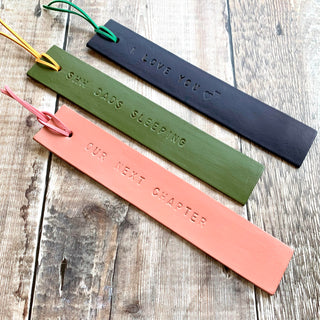
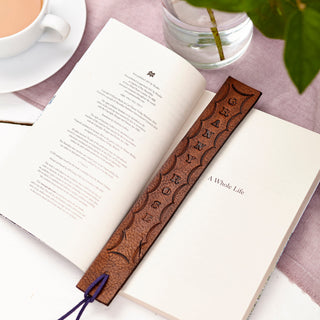
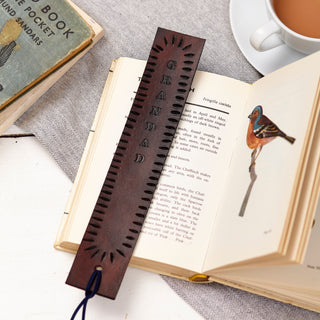
There is something deeply satisfying about owning premium, full-grain leather. Unlike mass-produced synthetic materials that wear out and degrade over time, high-quality leather is designed to do the exact opposite. It evolves and becomes more beautiful.
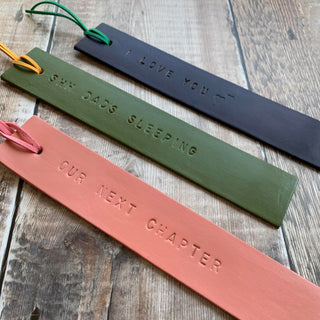
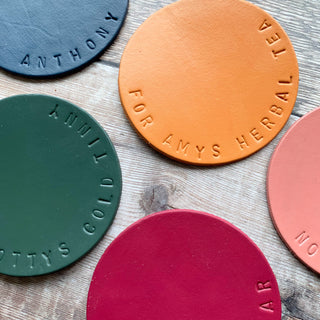
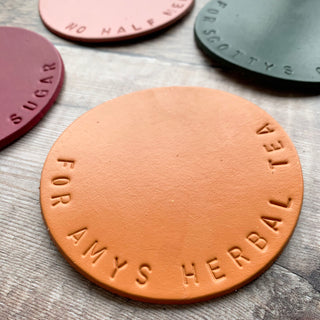
Every time you pick up your favourite leather bookmark, slide your specs into your glasses case, or set a drink down on a custom coaster, the leather absorbs a little bit of your story. Over time, it develops what we craftsmen call a patina—a beautiful, soft sheen and a deepening of colour that makes the item uniquely yours.
Because everything on my website is 100% handmade by me, Joanna, right here in my small Surrey workshop, my relationship with a product doesn't end when I pack it into tissue paper and send it your way. I care deeply about how your pieces age in your home.
To help you get the absolute most out of your British-made investment, I’ve put together this simple, reassuring guide on how to care for your handmade leather goods so they truly last a lifetime.
Understanding the Magic of Leather Patina
Before we talk about cleaning, it’s important to appreciate what real leather does naturally. Premium leather reacts to the oils in your hands, the sunlight in your room, and the natural environment around it.
If you use one of my handcrafted leather bookmarks daily, or handle your luxury glasses case, you will notice the leather softening and taking on a gorgeous, rich character. Small surface scuffs will blend into the grain, and the colour will deepen. This isn't a defect—it’s the hallmark of authentic, high-grade leather growing in character. It is a sign of a life well-lived!
3 Practical Steps for Everyday Leather Care
While leather is incredibly durable, a little bit of mindful care goes a long way. Here is what to do when life happens:
1. What to Do If Your Leather Gets Wet
Whether you get caught in a British downpour with your leather bag, or accidentally spill water near your desk accessories, don't panic!
-
The Golden Rule: Never, ever use artificial heat (like a hairdryer or a radiator) to dry leather. This will cause it to dry out too quickly, shrink, and crack.
-
The Fix: Simply wipe away the excess water with a soft, clean cloth and let the item dry naturally at room temperature.
2. How to Handle a Spill on a Leather Coaster
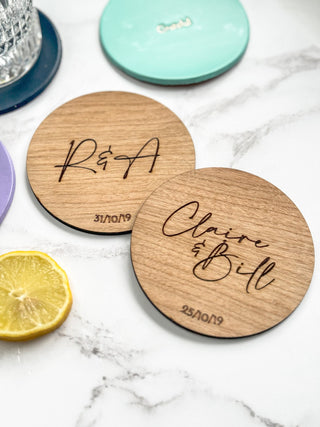
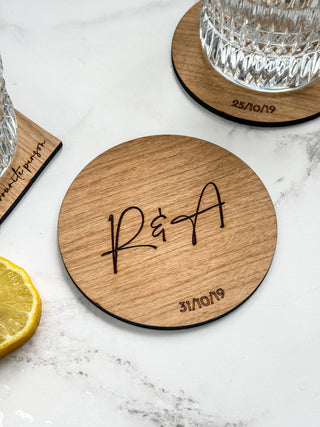
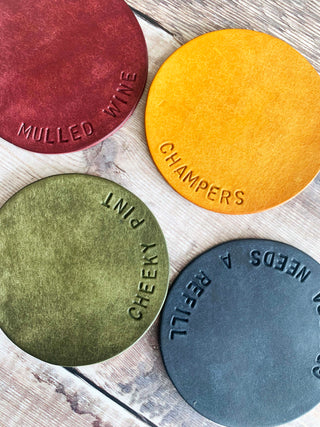
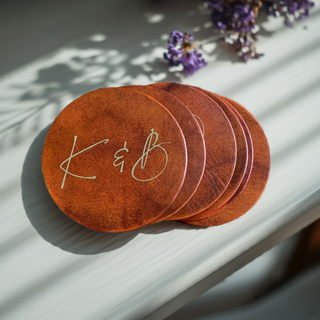
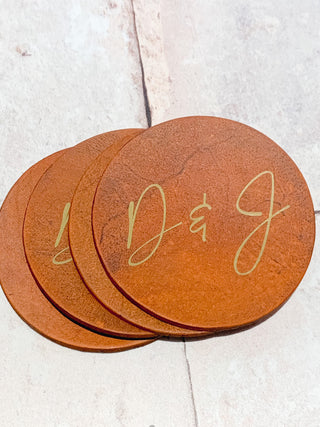
Accidents happen, especially during dinner parties or morning coffees. If a splash of wine, tea, or coffee lands on your bespoke leather coasters, speed is your friend.
-
The Fix: Blot the spill immediately with a dry paper towel or a clean, damp cloth. Do not scrub in circles, as this can push the liquid deeper into the leather's pores. Let it air dry. Because I use beautifully dyed-through leathers, light spills often blend naturally into the patina over time, adding to its story.
3. How to Protect Smaller Accessories (Like Glasses Cases & Tags)
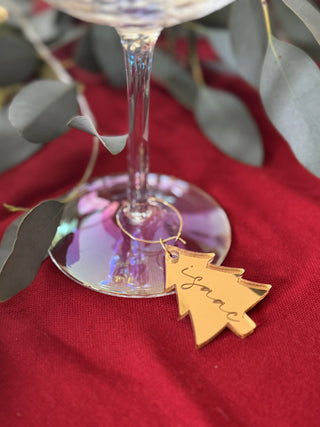
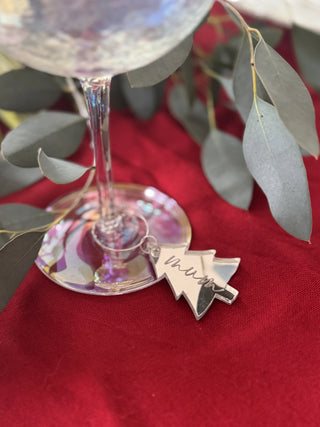
Your everyday items—like a handmade leather glasses case or custom vineyard and bottle tags—are built to be handled. However, every few months, they can benefit from a tiny bit of hydration.
-
The Fix: If the leather ever starts to look a bit dry or matte, apply a tiny amount of natural leather cream or balm using a soft microfiber cloth. Buff it gently in circular motions. This conditions the fibers, restores the shine, and adds a natural layer of water resistance.
The 100% Handmade Difference
When you purchase mass-produced items from high-street giants, they are often coated in heavy plastic sealants to mask imperfections in cheap materials. These items don't patina; they just crack and peel.
When you buy from Parkin & Lewis, you are investing in pure, premium leather that I have hand-selected, cut, and finished myself. Because I know the exact origin and quality of the materials I use in my tiny little studio, I can promise you that these pieces are designed to stand the test of time.
Caring for them isn’t about keeping them flawless—it’s about helping them age beautifully alongside you.